English learning log

English learning log

TESTS

2020. január 24. - polly graph

Choose the correct answer:


  1. Pécs is the … largest city in Hungary.

A. fourth    B. fifth   C. sixth    D. third


  1. When was the Mosque of Pasha Qasim built?


A. under the Turkish occupation   B. in the 19th century  C. in 1789   D. after the first World War


  1. What can you see on the Misina peak?


A. a church  B. the Zsolnay Quarter   C. a museum  D. the TV Tower


  1. What can’t you find in Király Street?


A. ruin pubs  B. Baroque buildings  C. traditional food   D. the Csontváry Museum


  1. What is Pécs famous for?


A. skyscrapers   B. the fourth tallest basilica in Europe   C. its 2000-year-old history   D. the spas


  1. What can you see on the dome of the Mosque of Pasha Qasim?


A. a crescent moon and a cross   B. a cross    C. the Statue of Liberty   D. a pigeon


  1. Which one is correct?
  1. Pécs is one of the most popular tourist destinations in Hungary.
  2. Pécs is one of the most popular tourist dsestination in Hungary.
  3. Pécs is one of most popular tourist destination in Hungary.
  4. Pécs is one of the most popular tourists destination’s in Hungary.


  1. Which is incorrect?

A.     I’m fond of history.

B.     I’m interested in sightseeing.

C.     I’m keen on visiting museums.

D.     I can’t stand on festivals.


  1. Which of these dishes in not a traditional Hungarian dish?


    A. (thick) vegetable stew    B. goulash   C. stuffed cabbage   D. shepherd’s pie


  1. Which one is correct?
  1. the 197-metres-tall TV Tower
  2. the 197-metre-tall TV Tower
  3. the 197-metres tall TV Tower
  4. the  197-meters-tall TV Tower
  1. Which one is not a Zodiac sign?


A. Pisces          B. Taurus        C. Crab         D. Scorpio


  1. Which word is not about looks?


A. broad-shouldered    B. pointed chin   C. stubborn    D. snub nose


  1. Which word is not about about personality?


A. moody     B. touchy    C. chubby    D. witty


  1. Enthusiastic means:


A. keen, showing interest    B. terminally ill    C. negative   D. unable to make decisions


  1. Which one is not a household chore?


A. cleaning up the mess   B. taking out the rubbish   C. hoovering the carpet   D. sightseeing


  1. An ATM usually does not offer this service. You can …


A.withdraw money  B.change the PIN code of your bank card C.deposit money

D.open an account


  1. Which word does not describe food?


A. tasty        B. perfectly-cooked     C. cruncy        D. pour 


  1. Who do you call if your tap drips?


A. an electrician   B. an optician  C. a plumber  D. a mechanic


  1. Which one is not environmentally friendly?


A. solar energy  B. biodegradable cups   C. fossil fuels   D. recycling


  1. Which one expresses disagreement?


  1. I couldn’t agree more …B. I quite agree with you …C. I don’t think so  D. You are right.


  +1 Where can you use tell?


  1. Can you … a second language?
  2. Do you … your prayers before going to bed?
  3. My father used to … me stories about when he was a child.
  4. That’s a horrible idea. He’s … nonsense.
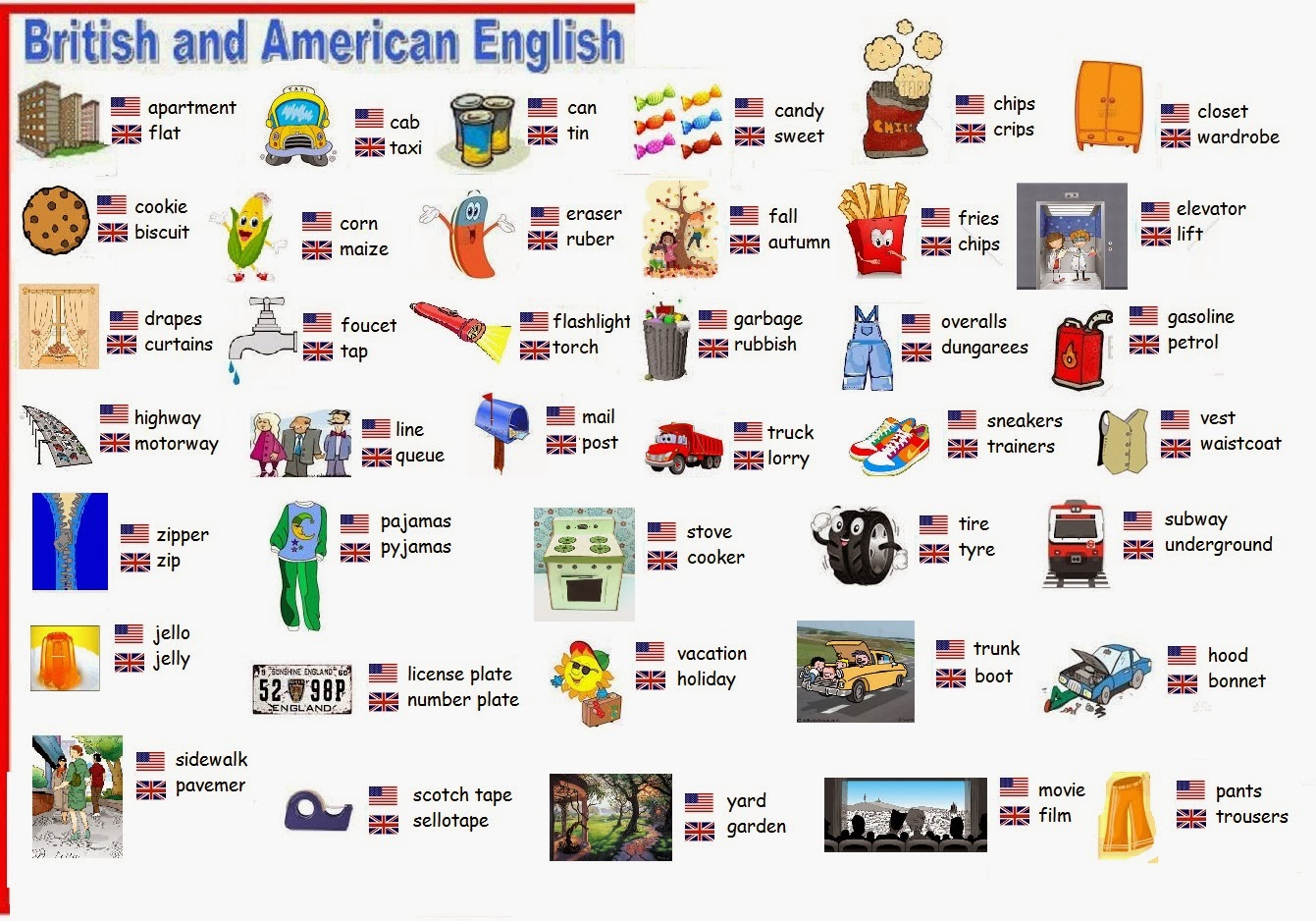
English Vocabulary: Crime & Criminals

- economic crime

- smuggling goods, people

- illegal immigration and work

- drug addiction, alcoholism, smoking

- prostitution, crime

Image result for crime

 https://www.ecenglish.com/learnenglish/lessons/crime-vocabulary

https://www.bbc.com/news/uk-politics-50158534

https://www.youtube.com/watch?v=nuMIRI8Ypi4

https://www.youtube.com/watch?v=J780DiE20Mw

https://www.youtube.com/watch?v=aMQR44byPm4

ESSAYS ON DRUG ADDICTION:

https://www.thewisdompost.com/essay/drug-addiction/essay-drug-addiction-youth/2566


C1 prep

Összegezve a tennivalókat:


Jelenleg egy nagyon erős B2-es szinten vagy, a decemberi vizsgáig kb. 12 heted van. Akkor fogsz átmenni a C1-es vizsgán, ha némileg felkészülsz a vizsgafeladatokból, szerintem nagyjából készen vagy, jól forgatod a szót, meg fogod állni a helyed.

 Használd az

 www.ecl.hu

 oldalt


https://ecl.hu/nyelvvizsga-idopontok-2019/

https://ecl.hu/felkeszulest-segito-anyagok-tesztmintak/

A reading comprehension részt tudod magad is ellenőrizni, a leveleket szívesen elolvasom és kijavítom ha kell.

Ha szeretnél többet gyakorolni, ez a gyakorlókönyv olcsó és praktikus megoldás:

 https://ecl.hu/ecl-practice-exams-1-5-english-level-c1-revised-edition/

 Szóbeli témákhoz:

https://ecl.hu/szobeli-minta/

https://ecl.hu/temakorok/


 A learning log-on

https://englishexam.blog.hu/2014/11/09/ecl_topics_links#more6878491


a legtöbb téma „ki van dolgozva”, ebből meríthetsz ötleteket, én a rázósabb témákra fektetnék nagyobb súlyt, pl. The Environment.

(azért vettem elő példának, mert ez mindenkinek mumus, de lássuk be, nincs miért félni tőle)


https://englishexam.blog.hu/2014/05/19/matura_exam_practice_the_environment#more6180815


Minden témának van egy „jellegzetes nyelvtana” és szókincse, amit érdemes átgondolni.

Ezen téma esetében pl. a first conditional (if, will) és should, shouldn’t a fő nyelvtan, amivel dolgozhatunk. Szókincs tekintetében talán ez a legrázósabb táma, hosszú és nyakatekert szavakat kell mutatnunk, mint biodegradable, sustainable, renewable energy ésatöbbi. DE ez neked nem lesz gond.

 Aztán ezekből kell egyfajta gondolatmenetet felépíteni. Ez a topic két részre oszlik, Problems and Solutions. Elsőn belül egy logikusan felépített gondolatmenet van kiindulva abból, hogy „we are used to living comfortably, we depend on …’, végighaladva a jelen helyzetből kiinduló folyamaton if ……..   will. Aztán a megoldás, mit kéne tennünk a megoldás érdekében (should)

Természetesen mindig magadból indulj ki, gondold át, te mit teszel a környezetért, mit jelent számodra a téma. Ne feledd, a vizsga két része (szóbeli és írásbeli) egymást kiegészíti, az írásbeli részen is van környezetvédelmi téma, szövegértés és írás feladatok közt is (ez a gyakorlókönyvben megtalálható)

A blogon minden témánál vannak linkek (nem mind aktív) videókhoz és egyéb feladatokhoz, ezek szintén hasznosak lehetnek.

Ajánlom még youtube-on a TED talkokat, sok témához találsz előadásokat, ezeket sokan szeretik.

Fusd át a híreket is angolul, szoktasd magad a hasonló cikkekhez, sokszor ilyesmi anyagokból készül a reading comprehension:

https://www.bbc.co.uk/

https://edition.cnn.com/


THE ENVIRONMENT - problems and solutions


We are used to living comfortably. We depend on our cars, central heating, electrical appliances and supermarket shelves.


We need more and more energy, so we burn a lot of natural resources (coal, oil) to produce electricity or to drive our cars.


When we burn natural resources, they release gases, such as CO2. A lot of CO2 changes the atmosphere, creating the greenhouse effect. Solar energy is trapped in the atmosphere and the temperature of the earth rises.


If the temperature rises, the polar ice will melt.

If the polar ice melts, the sea level will rise.

If the sea level rises, there will be floods in  many parts of the world.

If there are floods, people will lose their homes and will not be able to grow vegetables.

If people are not able to grow vegetables, they will starve.


Global warming, climate change and pollution pose a serious threat to people.


What should we do to protect the environment?


We should Reduce, Reuse and Recycle. It means that we should

-         reduce the number of cars and old, dirty factories, use less water, energy, buy fewer things

-         reuse things: give old clothes to charities, they will give them to people who can wear them.

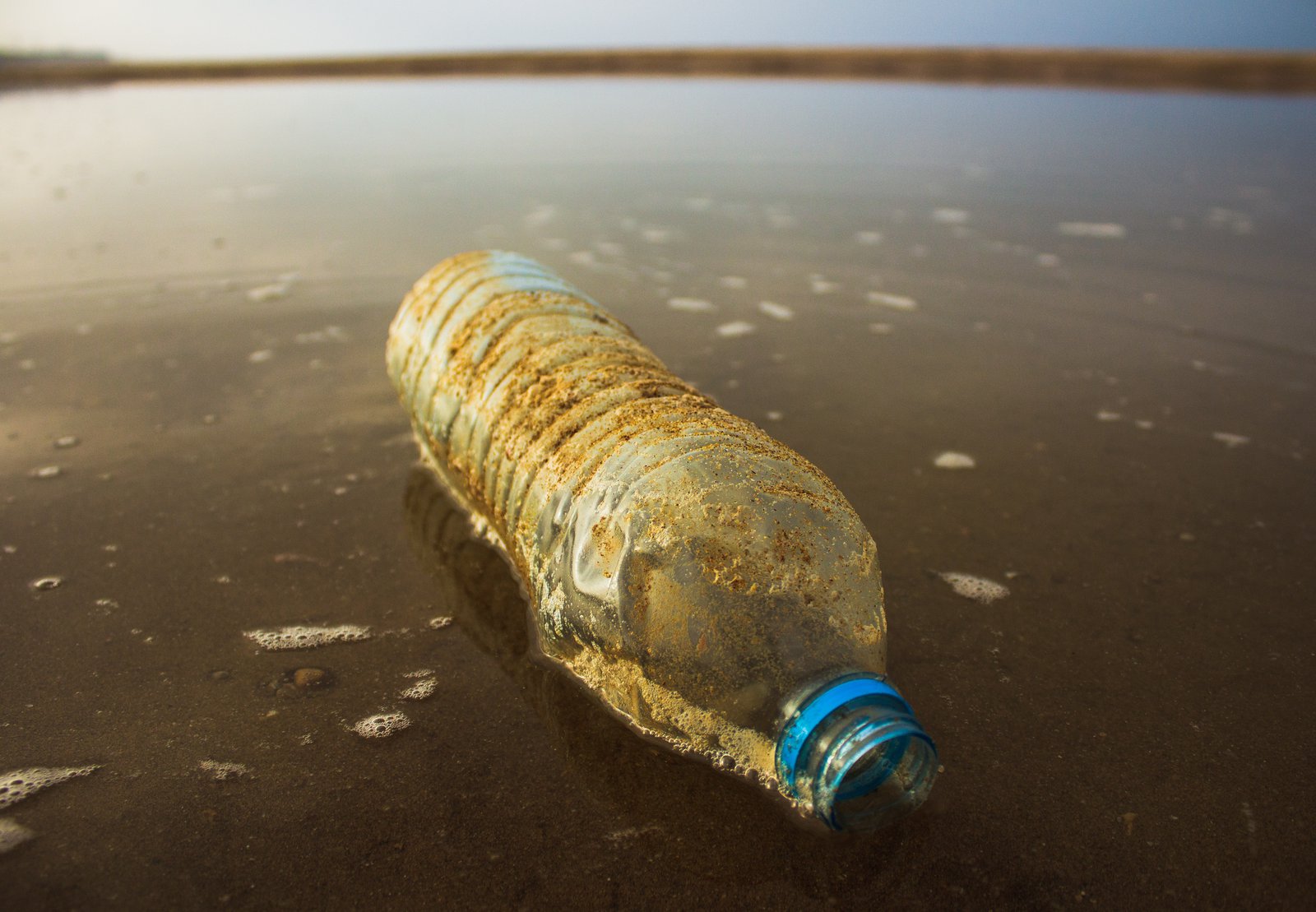
-         recycle plastic bottles, newspapers, collect waste selectively


We shouldn’t waste water or electricity. Instead of turning up the heating, we should put on a warm jumper. Instead of taking long baths we should take short showers. Instead of driving to work solo, we should use public transport or share a ride. Maybe ride a bike.


Overall, we should pay more attention to the environment and teach the next generation how to avoid the mistakes we made.


Plusz, legyenek olyan általános kifejezések a tarsolyodban, amik jolly jokerek, azaz minden témánál elsüthetők.


If you ask me

In my opinion

That’s not the way I see it

A témáknál próbálj több személyes élményt is felhasználni, pl. hamarosan utazol, ez az egy élmény jó az


utazás, EU, hobbi, média (sztárság, celebség), művészetek, szolgáltatások, vásárlás


témákhoz is. Ha feltalálod magad, minden témához.

Önálló gyakorlásra az is jó, ha pl. válaszolsz kérdéssorra, közben át tudod gondolni a témákat.


https://iteslj.org/questions/


I am going to travel to ........... . I am going to see .......... .

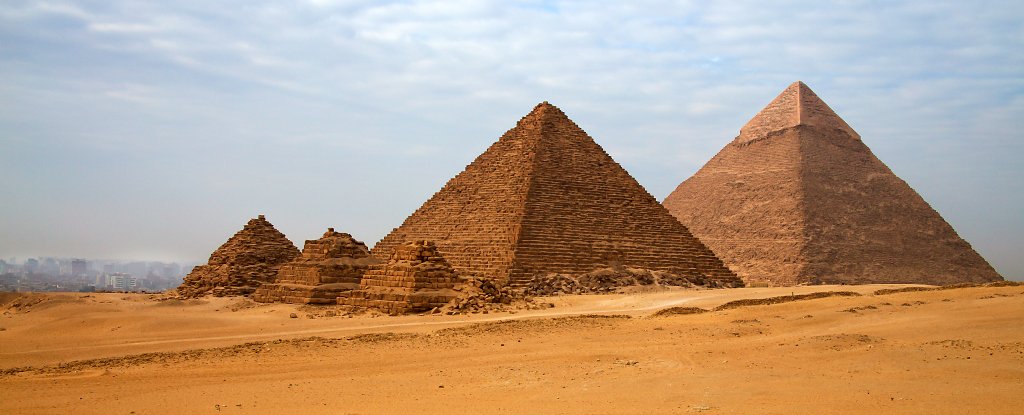
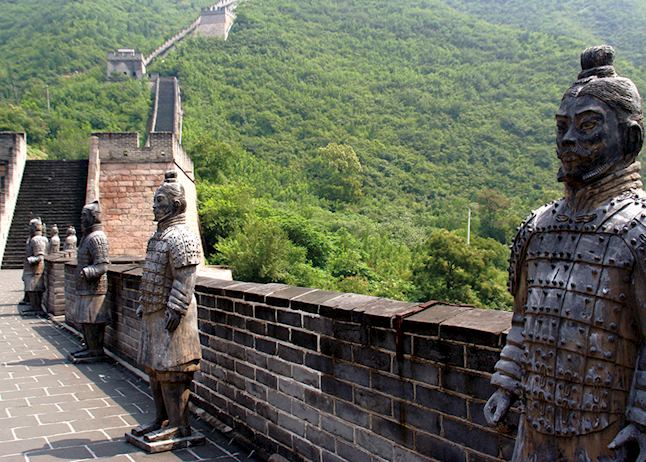
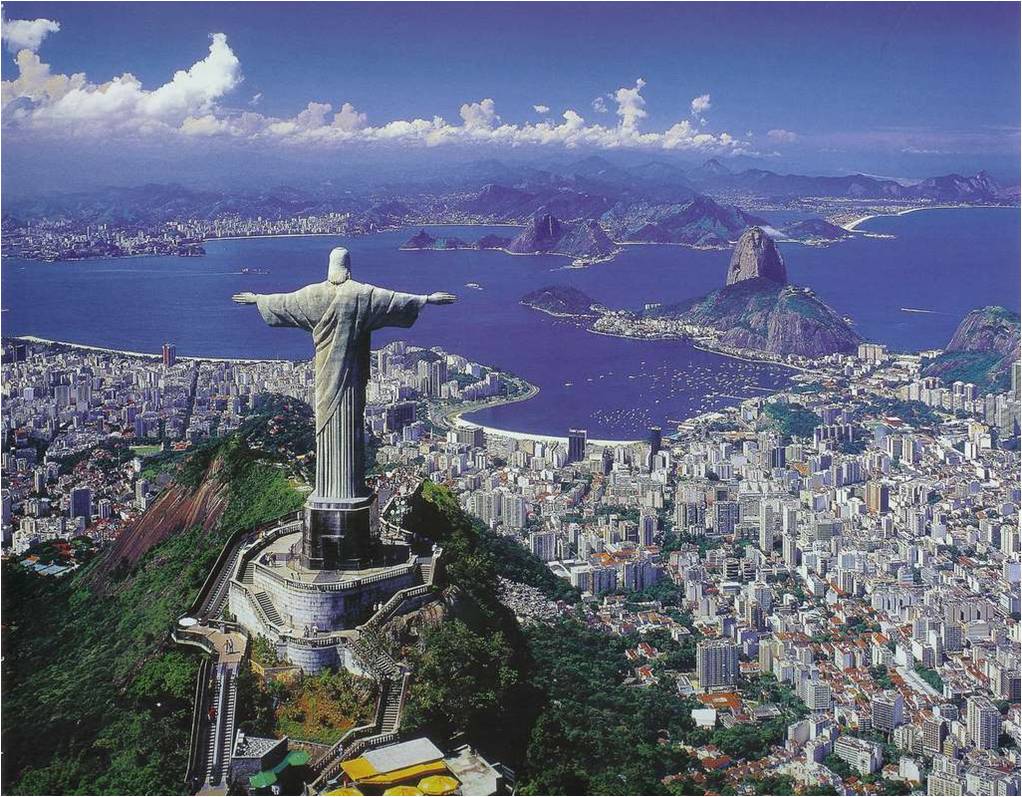
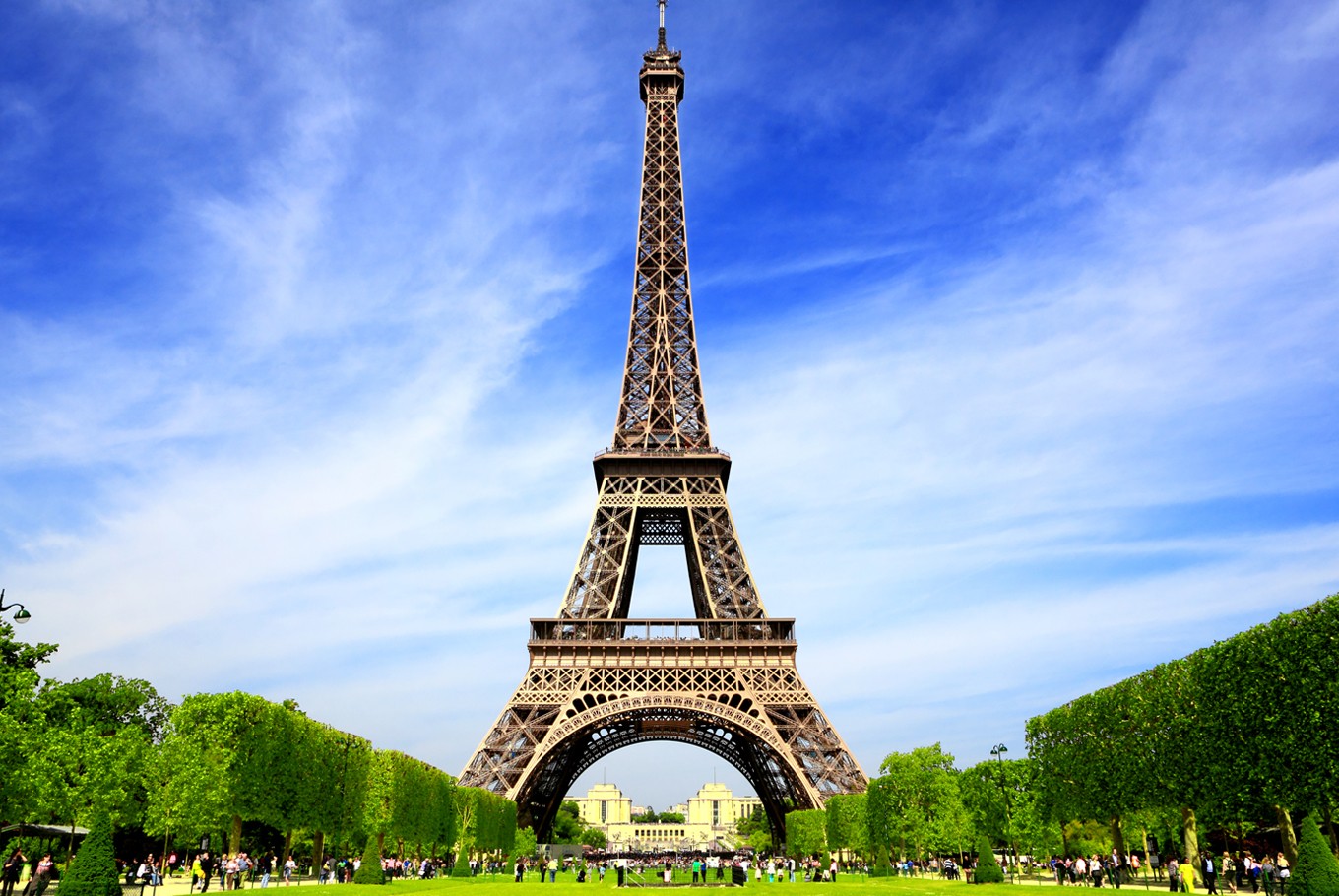
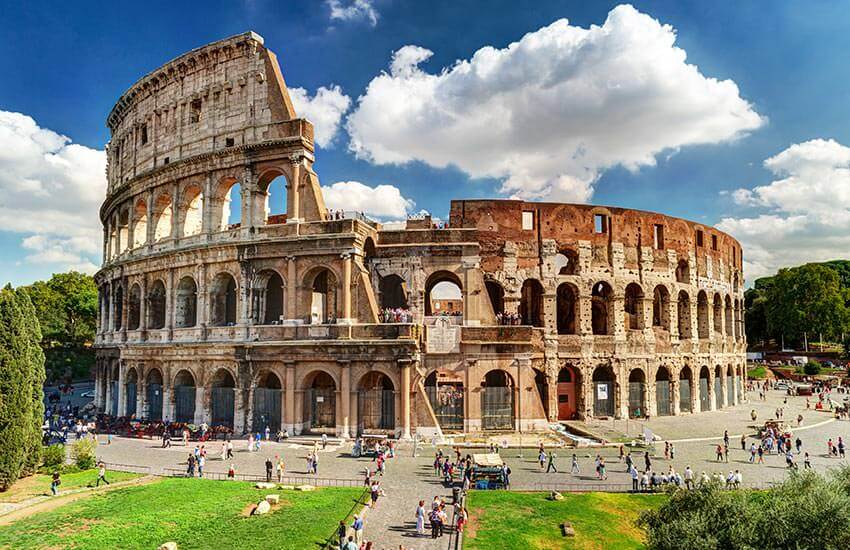
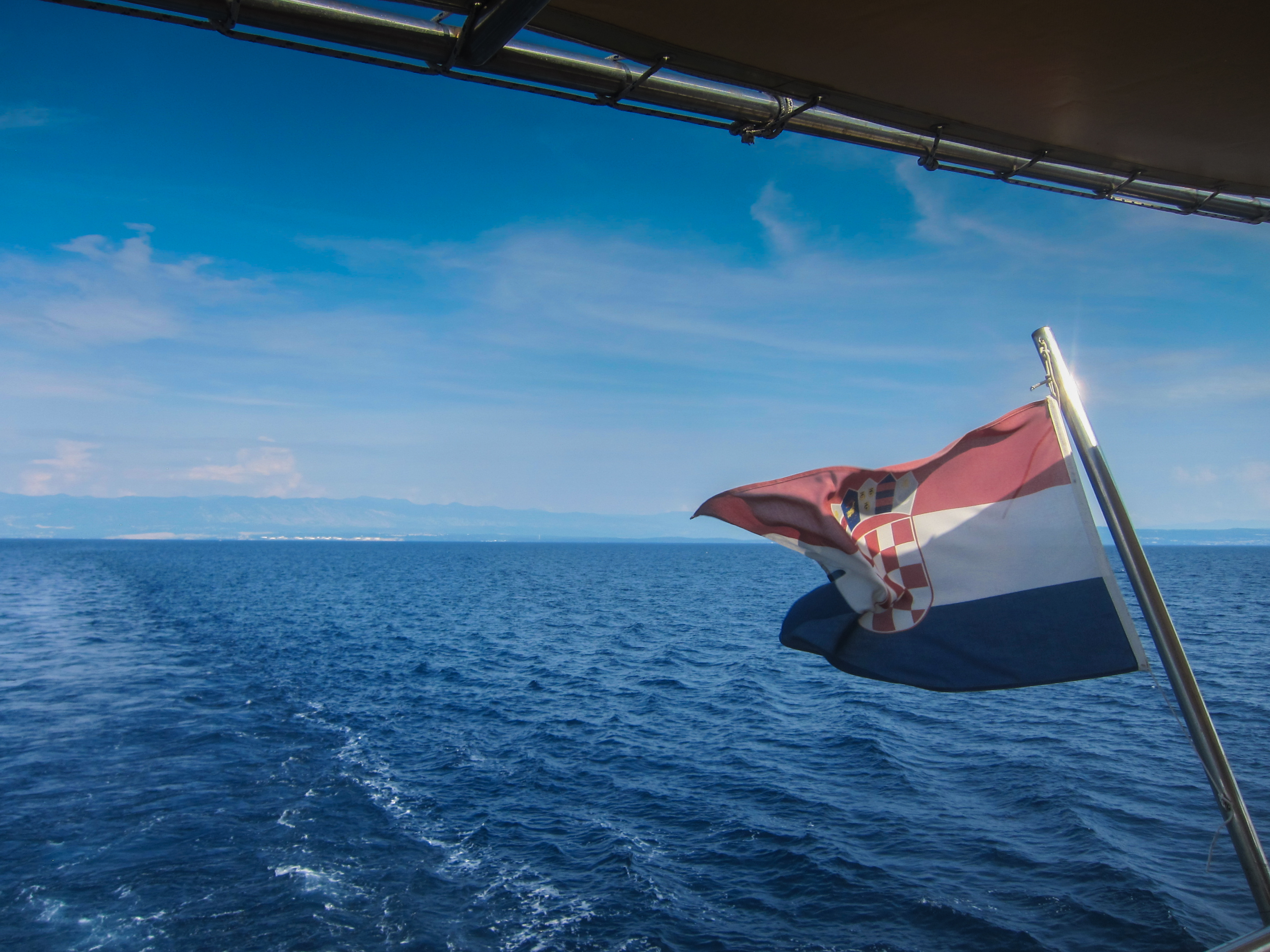
Képtalálat a következőre: „pyramids”Képtalálat a következőre: „great wall of china”Képtalálat a következőre: „midnight sun norway”Képtalálat a következőre: „bulls in spain”Képtalálat a következőre: „jesus statue rio”Képtalálat a következőre: „red square moscow”Képtalálat a következőre: „Eiffel tower”Képtalálat a következőre: „colosseum”Képtalálat a következőre: „big ben”Kapcsolódó képKéptalálat a következőre: „nazca lines peru”Képtalálat a következőre: „croatia sea flag”Képtalálat a következőre: „cows in switzerland flag”

I am going to travel to Kenya. I am goint to see lions and zebras.

WHERE AM I GOING TO TRAVEL?


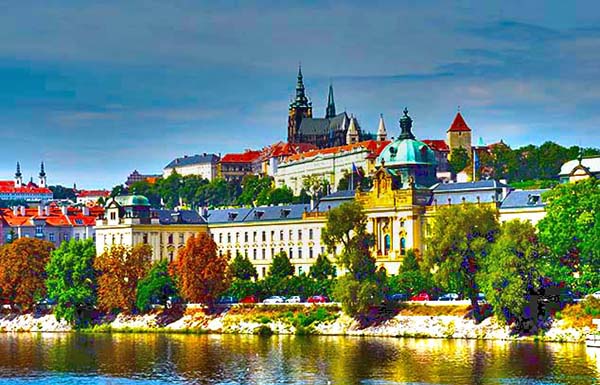
1. This country is in Europe and Asia. It is the biggest country in the world. The flag is white blue and red. People in this country like to drink tea and vodka. I am going to travel to .......... .

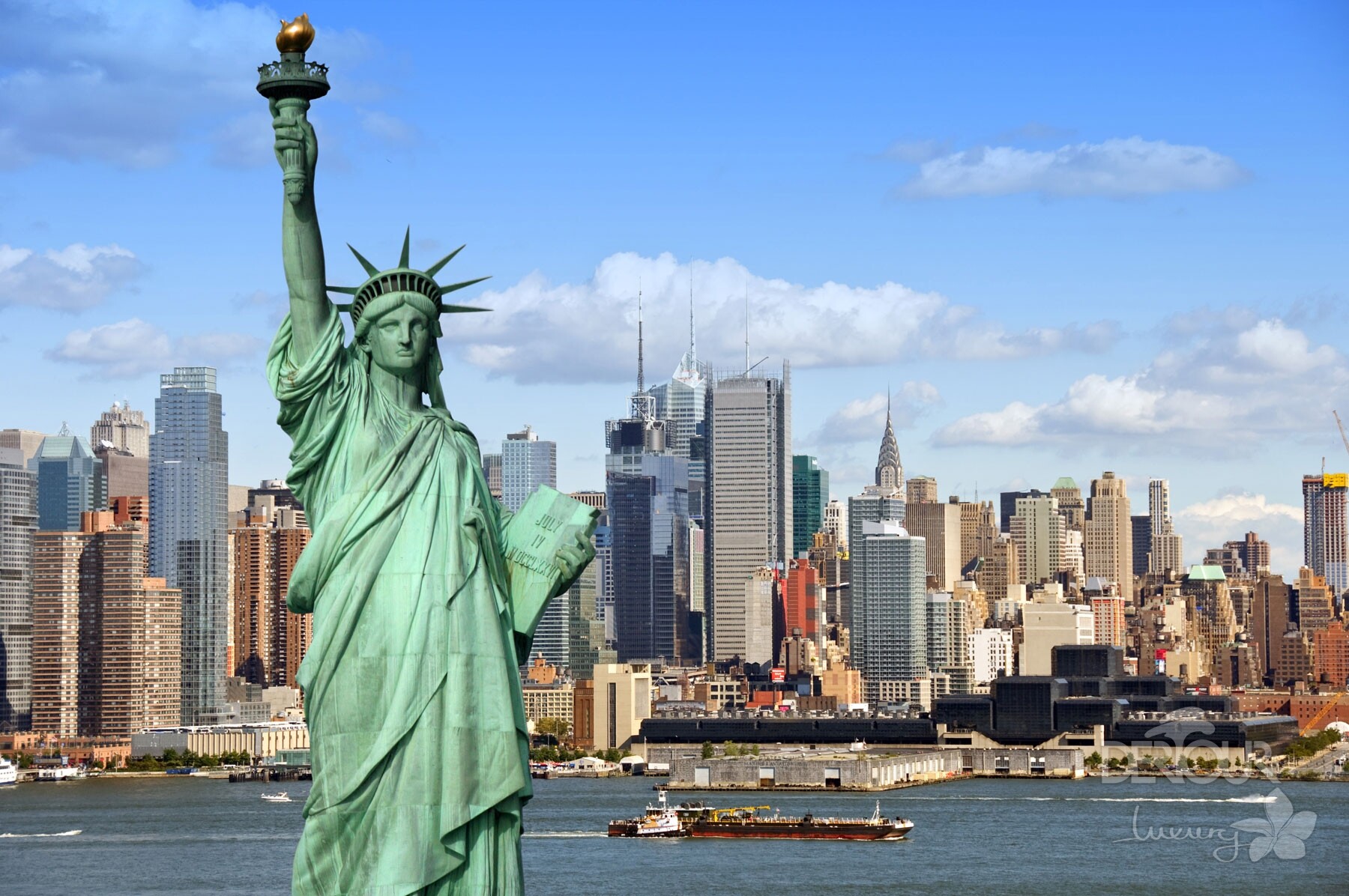
2. This country is in North America. It has 50 states and a lot of high buildings. People eat hamburgers and hot dogs. I am going to travel to .......... .

3. This country is in Europe. It is in the south-west and it is very close to Africa. People run with the bulls and dance flamenco. I am going to travel to .......... .

4. This country is very close to Hungary. It is a small country, but it has a long seacoast. People eat cevapi and seafood. I am going to travel to .......... .

5. This country is in the west of Europe. People eat croissants and drink champagne. The flag is blue, white and red. I am going to travel to .......... .

6. This country is in Asia. A lot of people live there. The country has a big wall and people do not eat with forks! I am going to travel to .......... .

7. This country is in South-America. People do not speak Spanish here. It has a very long river. I am going to travel to .......... .

8. This country is in the east of Africa. It has a very high mountain, it is 5895 m high. The flag is green, yellow, black and blue. I am going to travel to .......... .

9. This country is in Central America. It has a canal that connects the Atlantic Ocean with the Pacific Ocean. I am going to travel to .......... .

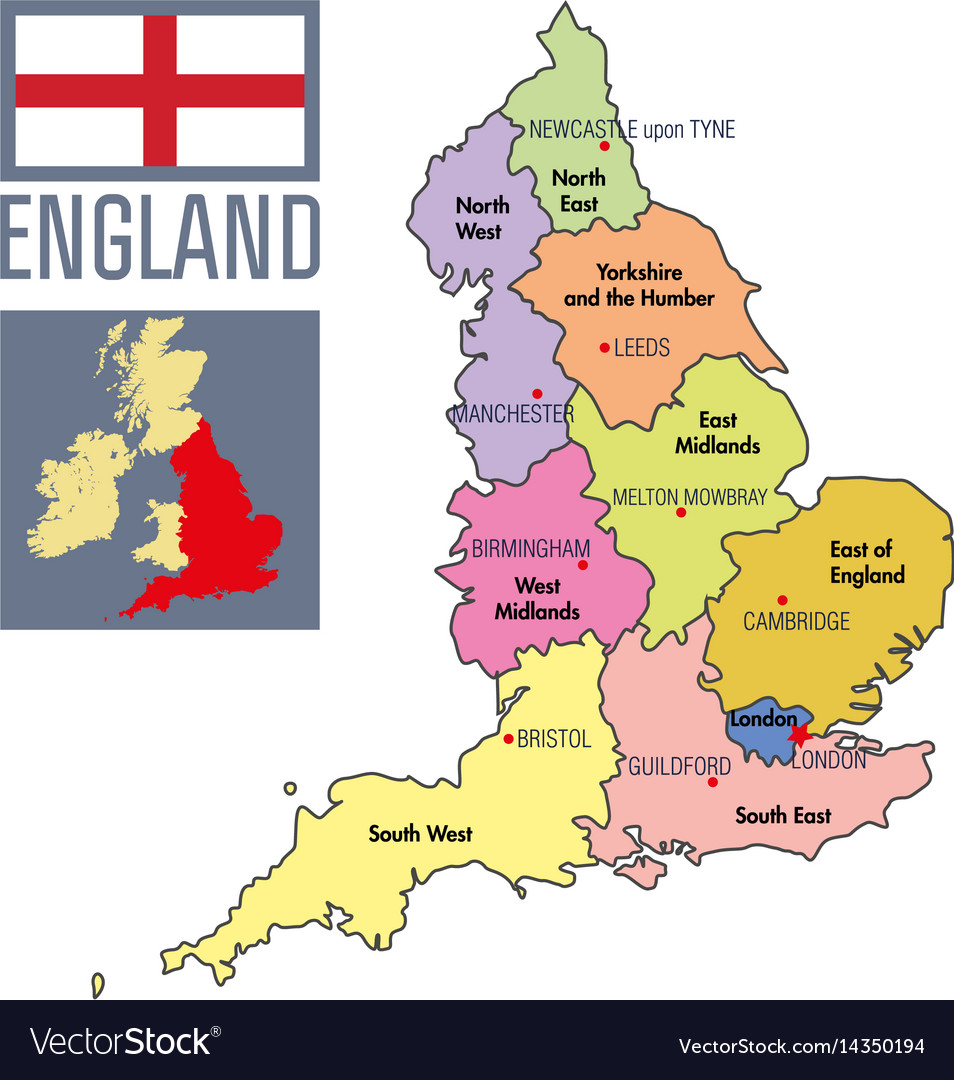
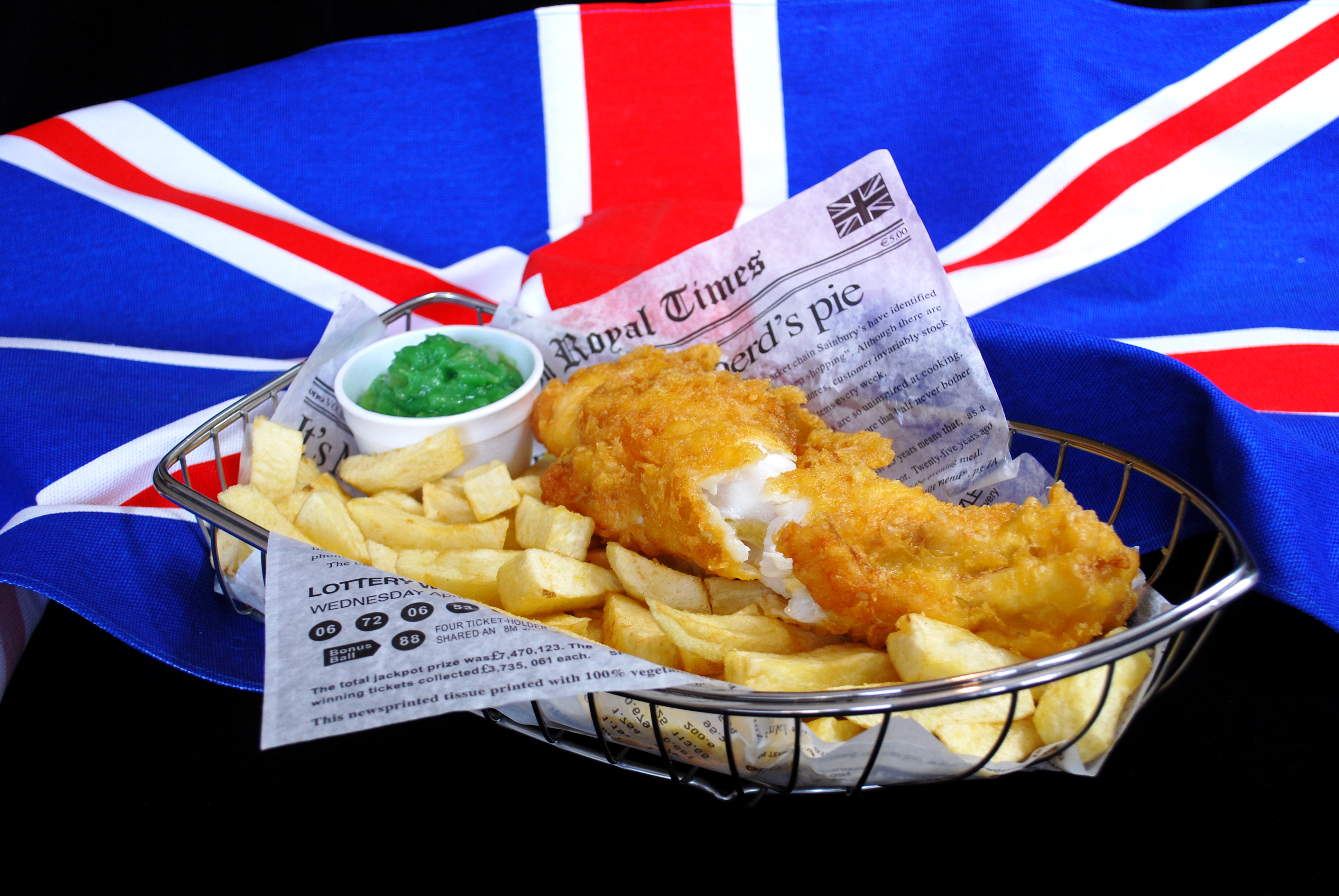
10. This country is in the west of Europe. The capital city is in the south of the country. People like fish and chips tea. I am going to travel to .......... .


A SIMPLE THEORY ABOUT THE MISSING MALAYSIA AIRLINES JET (reading comprehension)

A SIMPLE THEORY ABOUT THE MISSING MALAYSIA AIRLINES JET

There has been a lot of speculation about Malaysia Airlines Flight 370. Terrorism, hijacking, meteors. I cannot believe the analysis on CNN; it’s almost disturbing. I tend to look for a simpler explanation, and I find it with the 13,000-foot runway at Pulau Langkawi.

We know the story of MH370: A loaded Boeing 777 departs at midnight from Kuala Lampur, headed to Beijing. A hot night. A heavy aircraft. About an hour out, across the gulf toward Vietnam, the plane goes dark, meaning the transponder and secondary radar tracking go off. Two days later we hear reports that Malaysian military radar (which is a primary radar, meaning the plane is tracked by reflection rather than by transponder interrogation response) has tracked the plane on a southwesterly course back across the Malay Peninsula into the Strait of Malacca.

The left turn is the key here. Zaharie Ahmad Shah1 was a very experienced senior captain with 18,000 hours of flight time. We old pilots were drilled to know what is the closest airport of safe harbor while in cruise. Airports behind us, airports abeam us, and airports ahead of us. They’re always in our head. Always. If something happens, you don’t want to be thinking about what are you going to do–you already know what you are going to do. When I saw that left turn with a direct heading, I instinctively knew he was heading for an airport. He was taking a direct route to Palau Langkawi, a 13,000-foot airstrip with an approach over water and no obstacles.

The pilot did all the right things. He was confronted by some major event onboard that made him make an immediate turn to the closest, safest airport.

The loss of transponders and communications makes perfect sense in a fire.

Aviate, navigate, and lastly, communicate is the mantra in such situations.

What I think happened is the flight crew was overcome by smoke and the plane continued on the heading, probably on George (autopilot), until it ran out of fuel or the fire destroyed the control surfaces and it crashed. You will find it along that route–looking elsewhere is pointless.

Fire in an aircraft demands one thing: Get the machine on the ground as soon as possible.


There are two well-remembered experiences in my memory. The AirCanada DC9 which landed, I believe, in Columbus, Ohio in the 1980s. That pilot delayed descent and bypassed several airports. He didn’t instinctively know the closest airports. He got it on the ground eventually, but lost 30-odd souls. The 1998 crash of Swissair DC-10 off Nova Scotia was another example of heroic pilots. They were 15 minutes out of Halifax but the fire overcame them and they had to ditch in the ocean. They simply ran out of time. That fire incidentally started when the aircraft was about an hour out of Kennedy. Guess what? The transponders and communications were shut off as they pulled the busses.


Surprisingly, none of the reporters, officials, or other pilots interviewed have looked at this from the pilot’s viewpoint: If something went wrong, where would he go? Thanks to Google Earth I spotted Langkawi in about 30 seconds, zoomed in and saw how long the runway was and I just instinctively knew this pilot knew this airport. He had probably flown there many times.

Get on Google Earth and type in Pulau Langkawi and then look at it in relation to the radar track heading. Two plus two equals four. For me, that is the simple explanation why it turned and headed in that direction. Smart pilot. He just didn’t have the time.

Image result for missing malaysia airlines jet

Questions:

1. Does the writer of the article agree with CNN in this matter?

2. Where did he find the answere to the mistery?

3. Where was MH370 flying?

4. How lon after takeoff did the plane disappear?

5. What do we know about the captain?

6. Can the writer of the article fly a plane?

7. What do old pilots know?

8. Why is this knowledge important?

9. According to the writer, the pilot was flying to ........................... because ........................... .

10. What are the 3 most important things in case of fire?

11. Who is George?

12. What does the pilot have to do when there's a fire in an aircraft?

13. What happened to Air Canada DC9?

14. What happened to Swissair DC-10?

15. What does the writer think of the pilot of Malaysia Airlines Flight 370?


You can read the full article here:

https://www.wired.com/2014/03/mh370-electrical-fire/


süti beállítások módosítása